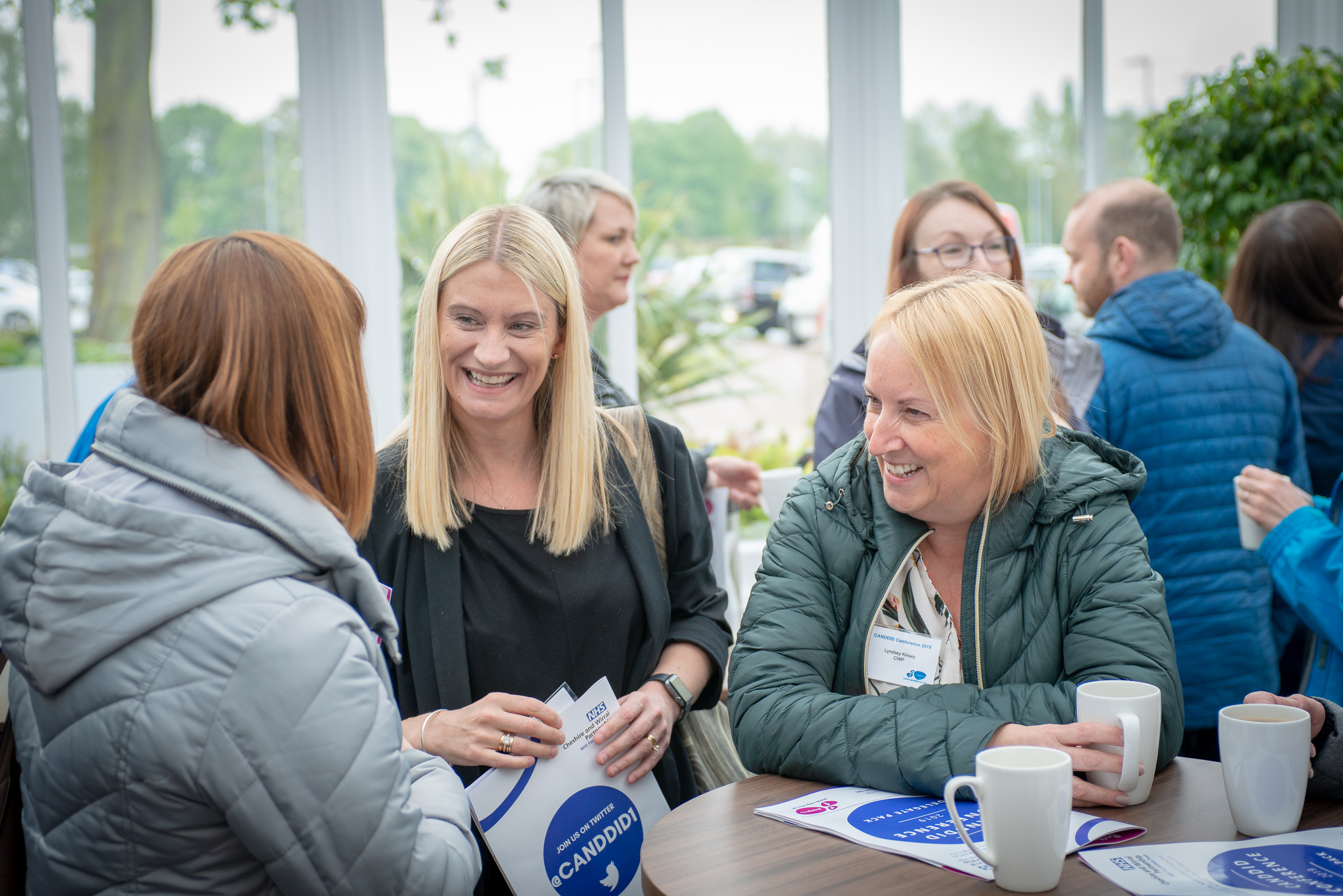

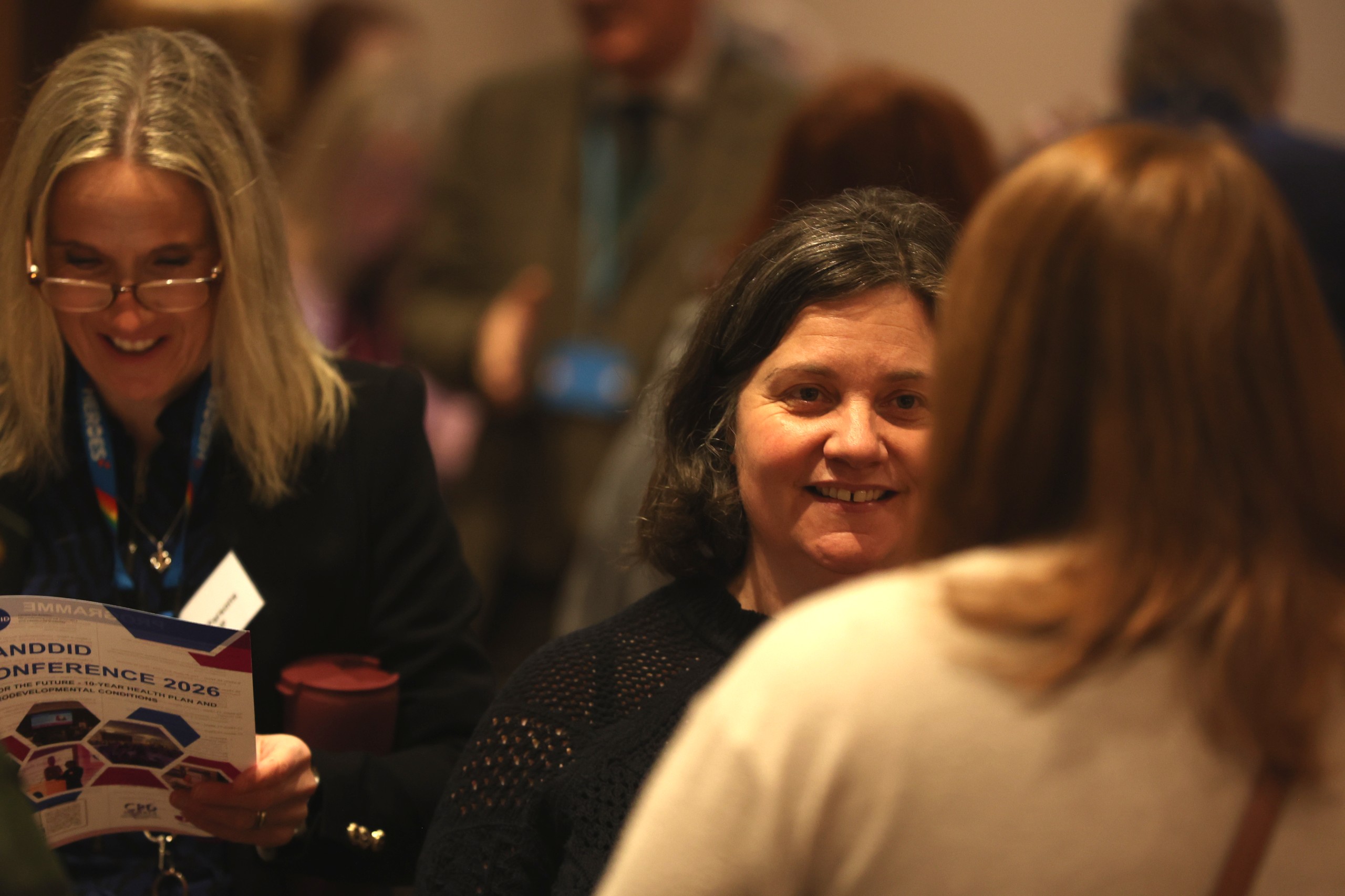
 Over 275 delegates from lived experience, health, education and social care came together for the 2026 seventh annual conference of the Centre for Autism, Neurodevelopmental Disorders, and Intellectual Disability (CANDDID) on Friday 13 March.
The conference provided an opportunity to listen to national experts talk about how best to meet the needs of neurodiverse people through the implementation of the Fit for the Future – the NHS 10 Year Health Plan. The discussions highlighted both the urgency of addressing inequalities experienced by those with neurodiversity and the shared ambition across our community to drive meaningful, evidence informed change. There were opportunities for people to network and learn from each other.
CANDDID, based in Chester, and hosted by Cheshire and Wirral Partnership NHS Foundation Trust (CWP), brings together a community of those with lived experience, clinicians and practitioners, and academics to further education, training, and research in the fields of neurodevelopmental disorders and intellectual disabilities.
Key themes from the conference
Speakers and sessions emphasised the need to:
- address social determinants of mental health in autistic people through experience sensitive approaches
- use big data responsibly to understand need, improve pathways and support evidence-based commissioning
- ground all neurodevelopmental work in human rights, justice and equity
- strengthen co production and embed lived experience at every stage
- modernise pathways through neuro inclusive tools such as Knowing Me
- improve access to genomics, trauma informed care, menstrual health equity and inclusive mental health interventions
- build a connected national network to share learning, reduce inequalities and accelerate implementation
Professor Mahesh Odiyoor, Consultant Psychiatrist and Strategic Clinical Director, Cheshire and Wirral Partnership NHS Foundation Trust and CANDDID said:
“Thank you to everyone who attended the seventh CANDDID Conference. There have been a number of conversations from both a policy perspective and also from a lived experience perspective.”
“These discussions are generating some really good new ideas that will take us forward and enable the delivery of the NHS 10 Year Health Plan in the right way, with the right ethos of co-production that we have always hoped for since the beginning of this journey.”
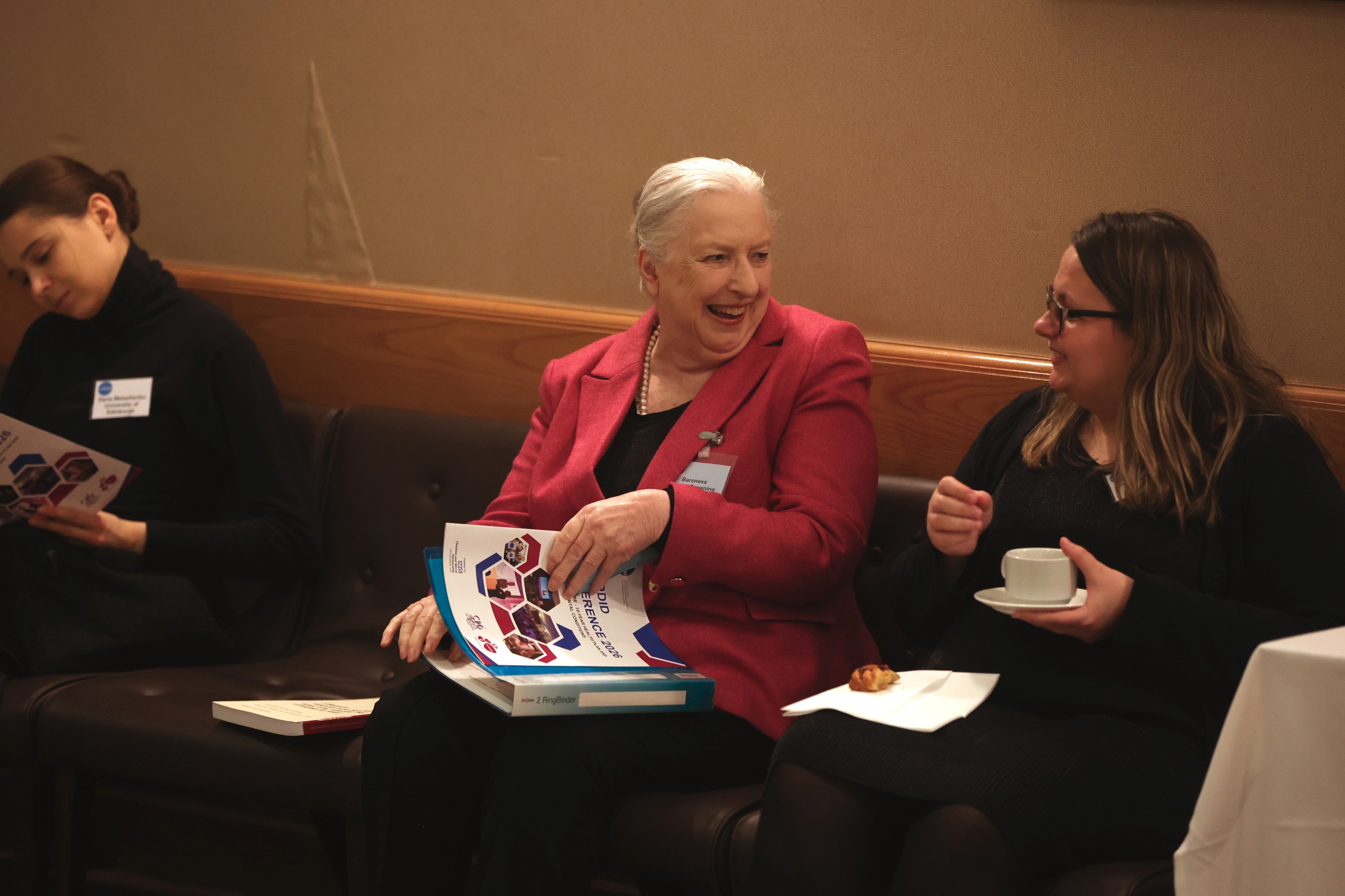 Baroness Angela Browning, House of Lords, attended the event to speak about the 2009 Autism Act and plans for the new national Autism Strategy, which is due to be published later this year. Baroness Angela Browning said:
“We want to make sure that when the new strategy comes out, that it holds ministers accountable, and that every local authority, and all health services that are mentioned in the strategy, are able to carry out those services for autistic people with good outcomes, which are measurable, and which deliver."
When asked about her experience of attending the CANDDID Conference, Baroness Angela Browning said:
I’ve been impressed by the number of people here, not just in numbers, but people with really lifelong experiences of working in the field of autism and psychiatry, social services, health generally, who really are producing some excellent work.”
The sad thing is that we haven’t got one of these conferences in every part of the country. I just wish you could bottle it and we could have a uniform standard like this everywhere. It’s really very impressive.
Acting on themes emerging on the day and to further the conversations through action, CANDDID is exploring ways to bring this community of people with lived experience, practitioners, and academics together as a Neurodiversity Research Network.
If you'd like to find out more, listen to the latest episodes of the CANDDID Conversations podcast. CANDDID Conversations is the podcast that brings you closer to the people, ideas, and innovations shaping CANDDID. Through thoughtful conversations with clinicians, researchers, and those with lived experience, the series opens up honest and accessible discussions about evidence‑based practice, co‑production, and improving lives across our communities.